The Journal

7 ADHD Tricks That Actually Make Everyday Life Easier

Small changes that reduce mental load without relying on willpower.

July 22, 20268 min read
7 ADHD Tricks That Actually Make Everyday Life Easier

If you've ever walked into a room and forgotten why, spent twenty minutes looking for your keys, or felt paralysed by the sheer number of things you're supposed to remember — you're not alone.

Living with ADHD, or even just a busy modern brain, means your working memory is constantly overloaded. The trick isn't trying harder. It's designing your environment so that doing the right thing is the path of least resistance.

Here are seven small, evidence-backed changes that make everyday life easier — without relying on motivation, memory, or willpower.
Reduce Decisions

01

Reduce Decisions

Every decision you make — what to wear, what to eat, which task to tackle first — draws from the same finite cognitive reserve. By the time you've decided on an outfit, you've already spent energy you could have used for something more important.

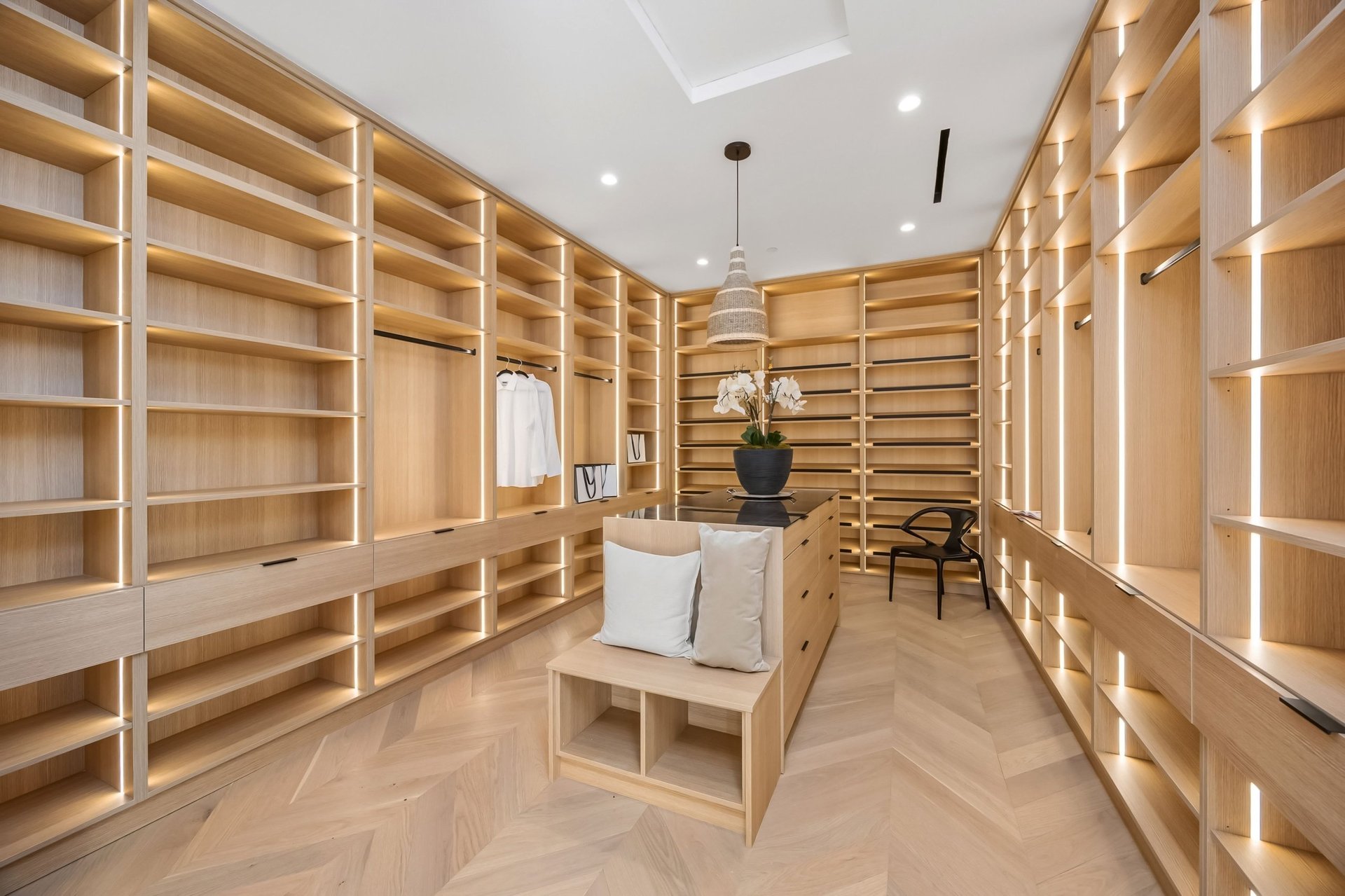
The solution is simple: eliminate choices that don't matter. Curate a capsule wardrobe of pieces you love and that work together. Rotate through a small set of go-to breakfasts. Standardise the routines you repeat daily so they run on autopilot.

A beautifully organised wardrobe isn't just aesthetically pleasing — it's a cognitive shortcut. When every item in front of you works, the decision makes itself.

Keep Things Visible

02

Keep Things Visible

There's an ADHD truism: out of sight, out of mind. If you can't see it, it doesn't exist. This is why closed storage — however elegant — can be the enemy of function for a busy brain.

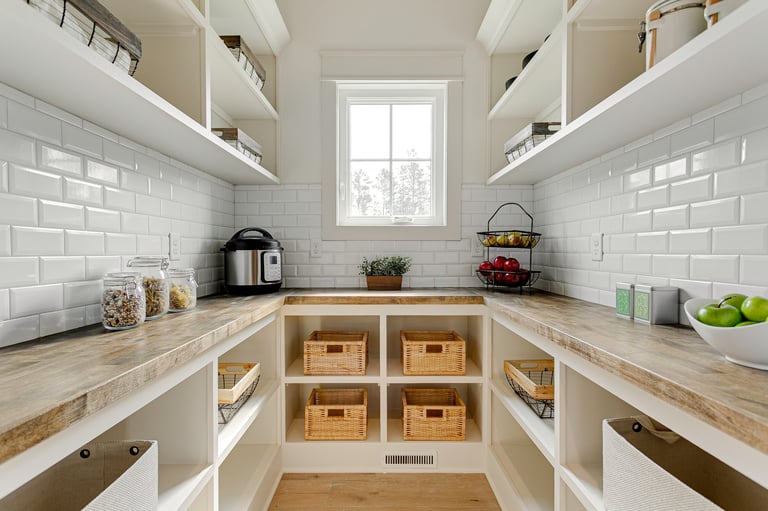
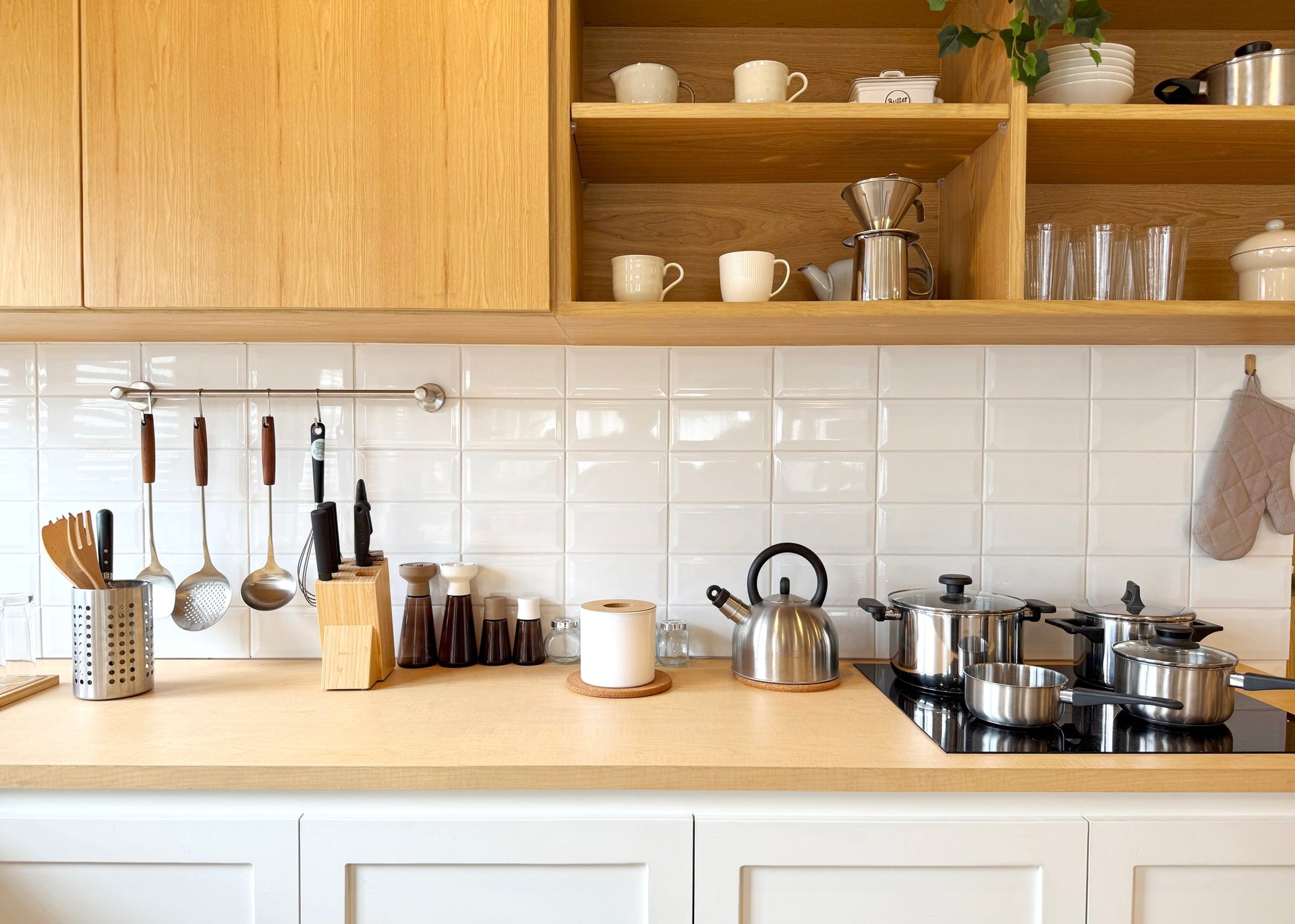
The fix isn't clutter. It's strategic visibility. Keep daily medications next to your toothbrush, not hidden in a cabinet. Store your vitamins on the kitchen counter in a beautiful glass jar. Use clear, labelled containers in the pantry and fridge so nothing gets lost at the back.

Visibility doesn't mean chaos — it means designing your space so the things you need most often are the easiest to find. Glass jars, open shelving in moderation, and thoughtful placement turn visibility into elegance rather than clutter.

Never Trust Your Memory

03

Never Trust Your Memory

The single most liberating rule you can adopt: write everything down. Immediately. Your brain is for processing and creating, not for holding reminders. Every thought, task, or appointment that lives only in your head is one you will eventually lose.

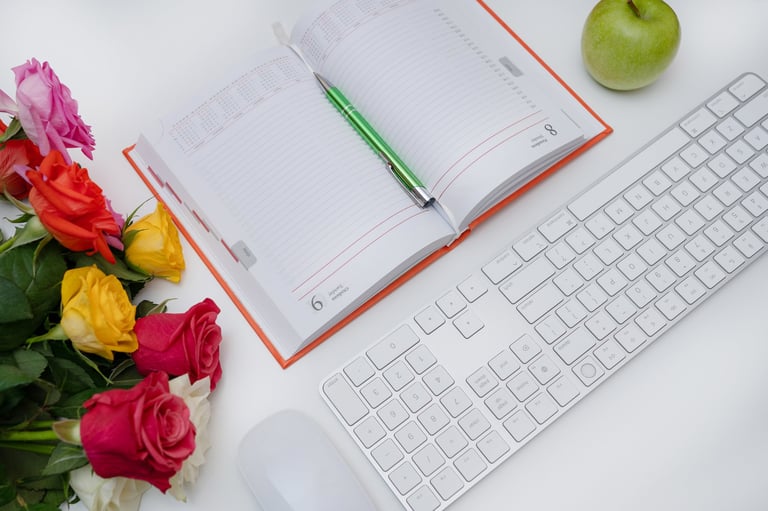
Keep a beautiful notebook and pen on your desk at all times. Use your phone's voice-to-text for fleeting thoughts on the go. Set phone reminders the moment something is mentioned — not five minutes later, when the thought has already evaporated.

This isn't a sign of a bad memory. It's a sign of a smart system. The most organised people in the world don't trust their brains to remember anything — they trust their tools.

The Two-Minute Rule

04

The Two-Minute Rule

If something takes less than two minutes — do it now. Hang up your coat the moment you take it off. Put your keys in their designated spot as you walk through the door. File that one piece of paper instead of placing it on the pile.

The two-minute rule works because it stops tiny tasks from accumulating into overwhelming mountains. One coat on a chair becomes a bedroom full of clothes. One unread email becomes an inbox of two thousand. Each individual decision to defer costs almost nothing — but collectively, they drain you.

The key is to make the right action easier than the wrong one. If your coat hook is immediately visible when you enter and your key tray is the first surface you pass, the two-minute action becomes automatic.

Create a Landing Zone

05

Create a Landing Zone

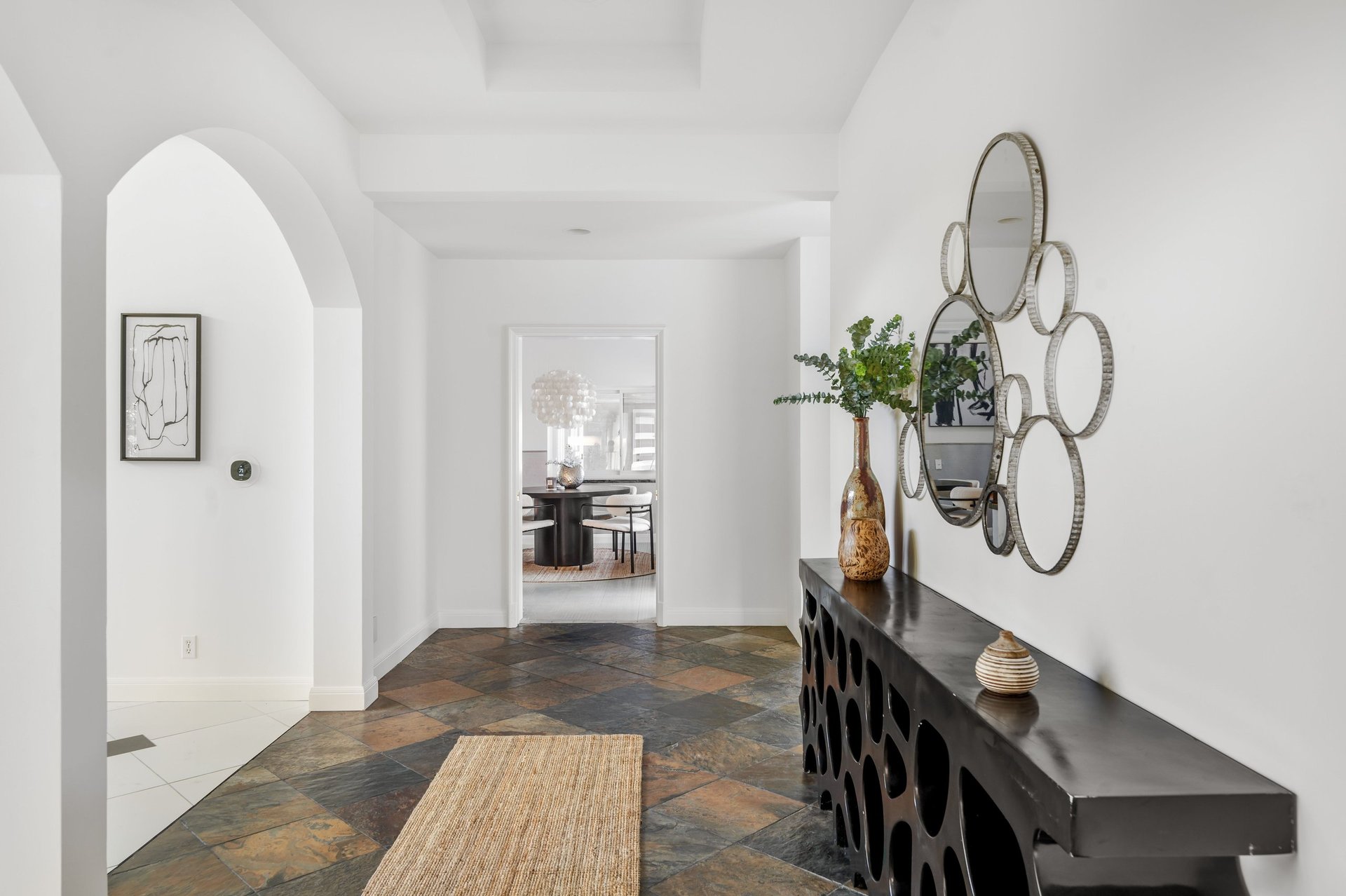
Every home needs a landing zone: a dedicated, beautiful surface near the entrance where the essentials of daily life live. Keys. Wallet. Sunglasses. The bag you carry every day. A small notebook. The mail you need to action.

Without a landing zone, these items scatter — to the kitchen counter, the bedroom dresser, the bottom of a bag you won't look in until tomorrow. With one, the question "where are my keys?" disappears from your morning vocabulary.

Make it beautiful and you'll want to use it. A vintage tray on a console table. A small ceramic bowl for keys. A brass letter holder. When the system is elegant, maintaining it feels less like a chore and more like a ritual.

Reset Instead of Clean

06

Reset Instead of Clean

"Cleaning" is overwhelming. It implies everything, everywhere, all at once — and for a brain that struggles with task initiation, that's a guarantee of paralysis. The alternative is the reset: a small, time-boxed routine that returns a space to its baseline.

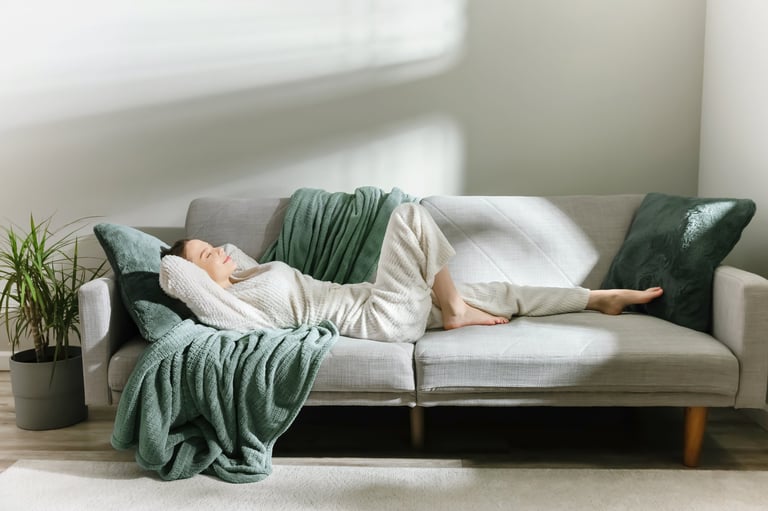
A reset isn't deep cleaning. It's returning things to where they belong. Cushions straightened. Mugs to the kitchen. Papers stacked. Surfaces cleared. It takes five to ten minutes and it transforms how a room feels — and how you feel in it.

The difference is psychological. "I need to clean the living room" is a mountain. "I'll do a ten-minute reset" is a manageable hill. And most of the time, a reset is all the room actually needs.

Make Starting Easy

07

Make Starting Easy

Task initiation — the ability to actually begin — is one of the hardest things for an ADHD brain. The hurdle isn't the work itself; it's the transition into it. The solution is to make the first step so simple that resistance becomes irrelevant.

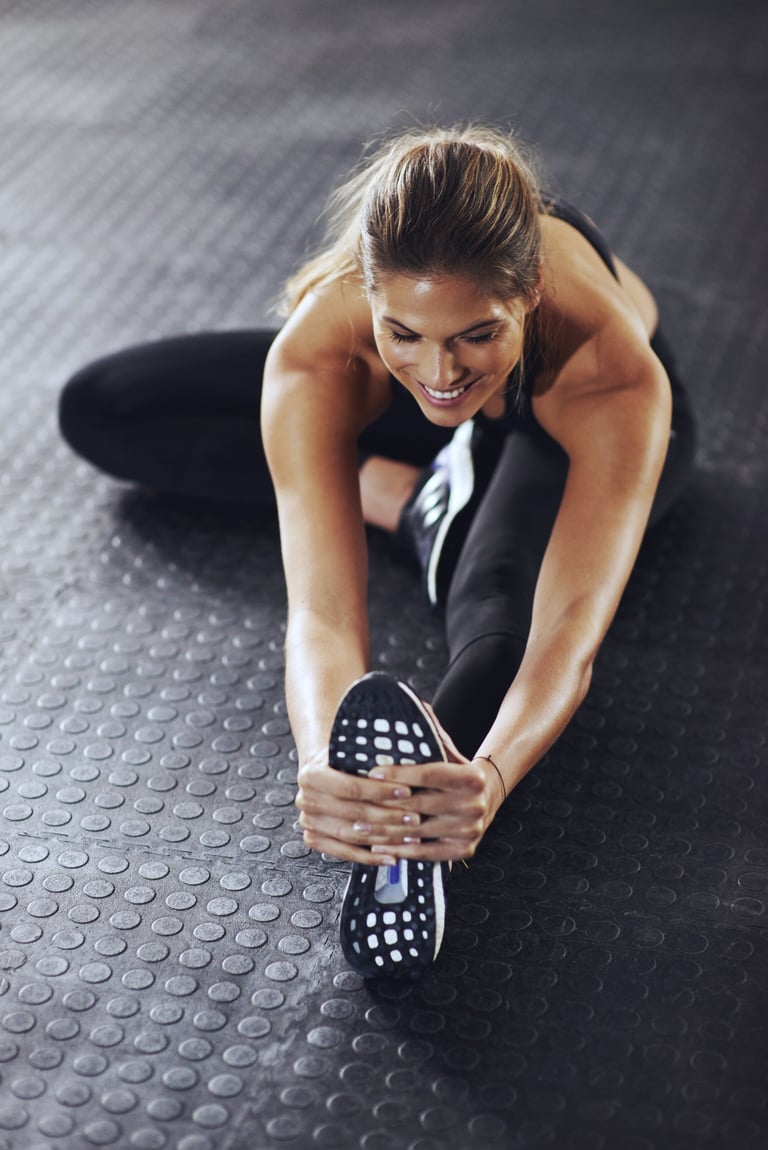
If you want to journal in the morning, leave your notebook open on your desk with a pen on top of it the night before. If you want to exercise, sleep in your gym clothes. If you want to read more, keep a book visible on your nightstand and your phone in another room.

The goal is friction reduction. When the only thing between you and the task is a single, effortless action — open the notebook, step onto the mat, pick up the book — starting becomes almost automatic. Design your environment so that the person you want to be is the path of least resistance.

Feeling overwhelmed by clutter or daily organisation?

Design & Papers creates personalised organising systems that are elegant, practical, and designed around the way you actually live.

Book a Consultation